The Ultimate Setup Guide for Your Ninja Premier Oven
Introduction
The Ninja Premier Oven occupies a prominent place among countertop multifunction ovens, blending convection roasting, air crisping, baking, and dehydrating into a single appliance. For buyers considering an upgrade to a compact, versatile cooking station, the Premier Oven aims to replace multiple devices while saving counter space. This article provides a step-by-step setup guide, a detailed product analysis, real-world use cases, and practical buying advice to help prospective owners get the most from the Ninja Premier Oven.
Quick Product Overview
The Ninja Premier Oven is designed to offer high-heat roasting and air frying capabilities alongside conventional oven functions. With a range of preset cooking modes and a convection fan, it targets home cooks who want faster cook times and crispier finishes than a conventional oven typically allows. The unit's footprint and capacity make it suitable for families, apartment kitchens, and culinary hobbyists who value flexibility and efficiency.
Initial Setup: Out of the Box to First Use
Unpacking and placement
When unboxing, the owner will find the oven, several accessories (such as racks, crisper plate, or trays depending on the included kit), a power cord, and a quick-start guide. Placement should prioritize ventilation and surface stability. The unit requires clearance on all sides—consult the manual for exact distances—but a general rule is several inches at the rear and at least 4–6 inches above to allow heat to dissipate. A heat-resistant countertop is recommended.
Electrical requirements
The Ninja Premier Oven usually runs on a standard household circuit. However, buyers in homes with multiple high-draw appliances on the same breaker should verify the circuit load to reduce the chance of tripping. The appliance should be plugged directly into a grounded outlet; extension cords are discouraged due to potential voltage drop under heavy load.
Initial cleaning and seasoning
Before the first cooking session, the removable accessories and interior should be wiped with a damp cloth and mild detergent, then dried. A brief “burn-in” cycle (running the oven empty at a medium-high temperature for 10–15 minutes) helps eliminate any manufacturing residues and reduce initial odors. Ventilation during this step is advisable.
Detailed Product Analysis
Design and build quality
The Premier Oven strikes a balance between durable construction and consumer-friendly materials. The exterior is typically stainless steel or high-quality coated metal, while the interior includes non-stick surfaces for easy cleaning. Controls vary across models—some versions rely on touchscreen panels, while others use physical dials and buttons. The door mechanism and hinges are engineered for frequent use; however, prolonged heavy items placed on the door can cause strain over years, so reasonable handling is recommended.
Capacity and layout
Capacity is a primary consideration for buyers. The Premier Oven typically offers enough space to roast a medium-sized chicken, cook a sheet of vegetables, or air-fry several servings at once. Rack adjustments provide flexibility: multiple rack positions enable roasting on a higher shelf for browning or a lower shelf for slow roasting. For families planning to use the oven for batch cooking or entertaining, the usable space (not just advertised liters) should be compared against common cookware sizes—baking sheet dimensions, casserole dishes, and roast sizes—to ensure fit.
Performance and cooking results
Performance hinges on heating consistency, fan power for convection, and precise temperature control. The Premier Oven's convection fan accelerates cooking by circulating hot air, leading to reduced cook times and more consistent browning. For tasks like air crisping frozen foods or producing a crunchy roast skin, the combination of high heat and rapid air circulation yields superior results compared with a standard oven. Baking performance is generally competent for small- to medium-sized batches; however, for large-scale bakery projects, a full-size oven will still offer advantages in volume and space.
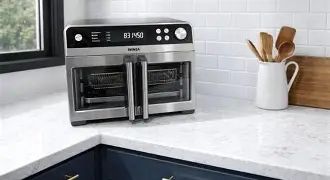
Control interface and presets
Preset modes are a convenience drawn upon heavily in everyday use—buyers often prioritize the presence of modes such as Bake, Roast, Air Crisp, Reheat, and Dehydrate. The Premier Oven commonly includes customizable time and temperature settings, and some models contain smart presets calibrated for common foods. The interface clarity is important: well-labelled buttons or icons reduce fumbling, and an intuitive display shortens the learning curve for those used to conventional ovens or microwaves.
Looking for the best Electronics deals on Amazon?
Shop Amazon →Cleaning and maintenance
The non-stick interior, removable trays, and dishwasher-safe parts simplify maintenance. For persistent grease, soaking accessories before washing is effective. The interior should be wiped regularly to prevent buildup that can affect heating efficiency. For safety and longevity, the heating elements must be kept free of food debris and moisture. Owners in households prone to heavy frying or frequent high-heat use should plan occasional deeper cleanings, including careful vacuuming or brushing of vents if recommended by the manufacturer.
Noise and heat output
The convection fan creates moderate noise during operation—similar to a small kitchen extractor. This level is typically acceptable in open-plan kitchens but may be noticeable in quiet environments. External heat emitted from the oven's sides and back is a normal part of operation; therefore, proper clearances and heat-tolerant placement are essential. Buyers in compact spaces should consider whether kitchen layout allows for the waste heat the appliance produces.
Real-World Use Cases
- Weeknight family dinners: Rapid roast chicken or sheet-pan meals with air-crisped vegetables provide balanced family meals with less active cooking time.
- Meal prepping: Batch-cooking proteins and grains can reduce weekday meal assembly time; the Premier Oven's multiple rack positions permit cooking several items sequentially or simultaneously when spacing permits.
- Apartment living: For those without a full-size oven, the Premier Oven covers most baking, roasting, and air-frying needs while fitting on a counter or in a cupboard when not in use.
- Small-batch baking: Scones, muffins, and small loaves bake evenly in the compact cavity, though temperature verification with an oven thermometer is recommended for precision baking.
- Snack and reheating tasks: The crisp reheat function restores texture to leftovers—especially fried or breaded foods—more effectively than a microwave.
Pros & Cons
- Pros:
- Versatile cooking modes replace multiple appliances (oven, air fryer, dehydrator).
- Faster cook times due to convection heating.
- Compact footprint suitable for smaller kitchens.
- Generally easy to clean with removable, dishwasher-safe parts.
- Good results for air-crisped and roasted foods with minimal oil.
- Cons:
- Limited capacity compared with full-size ovens; large items may not fit.
- Fan noise can be noticeable during operation.
- Heat output may be an issue in small or poorly ventilated spaces.
- Control panels on some models may have a learning curve for precision baking.
- Accessories and replacement parts may be model-specific and vary in availability.
Comparison Table: Ninja Premier Oven vs. Typical Alternatives
| Feature | Ninja Premier Oven | Countertop Convection Oven (Generic) | Air Fryer (Basket Style) | Full-Size Built-in Oven |
|---|---|---|---|---|
| Primary strengths | Versatility (multiple modes) | Baking consistency for trays | Very fast crisping for small batches | Large capacity, precise baking |
| Capacity | Medium—suitable for families of 2–4 | Medium–large depending on model | Small–medium (basket limits shape) | Large—ideal for big roasts and multiple racks |
| Counter space | Moderate footprint | Moderate–large | Small footprint | Installed—no counter space |
| Energy efficiency | Efficient for small tasks | Variable—often higher for larger cavities | Highly efficient for small items | Less efficient for small tasks, but optimized for large cooking |
| Best for | Multi-purpose home cooks | Serious bakers who need tray space | Households prioritizing quick crisping | Families who cook large meals frequently |
Setup Tips for Optimal Results
Several small adjustments during setup and first use improve performance and longevity:
- Confirm level placement: A perfectly level surface encourages even heat distribution and prevents trays from sliding.
- Use an oven thermometer: Initial calibration checks help identify temperature offsets; adjusting cooking times or using manual temperature settings can compensate for small variances.
- Space foods for airflow: Convection depends on air circulation; crowding the crisper plate or racks will reduce crisping effectiveness.
- Rotate trays when necessary: For longer roasts or multi-rack baking, rotating items partway through can improve evenness.
- Follow accessory orientation: Some accessories have specific orientations for crisping or drainage; consult the manual for guidance on which side should face up.
Buying Guide: What Buyers Typically Care About
When evaluating the Ninja Premier Oven, several buyer priorities recur in reviews and real-world use. This section outlines those factors and practical advice for making a confident purchase decision.
1. Capacity vs. Footprint
Buyers must balance the unit’s internal volume with available counter space. Households that regularly prepare whole birds or multiple dishes simultaneously should verify internal tray dimensions rather than relying solely on advertised capacity. For compact kitchens, the Premier Oven's footprint is often a decisive advantage.
2. Cooking Modes and Flexibility
Presets add convenience, but manual control over temperature and time is important for cooks who value precision. Look for models where modes can be adjusted and saved. Dehydration and proofing modes expand functionality for hobbyists who bake or prepare snacks.
3. Ease of Use and Learning Curve
Clear labeling, responsive buttons, and an intuitive interface reduce the time needed to adapt. Buyers who prefer tactile controls might favor models with dials, while others may prefer digital touchscreens with clear readouts.
4. Cleaning and Maintenance
Removable, dishwasher-safe trays and a non-stick interior simplify upkeep. Consider whether the drip tray and crisper plate are easy to access and replace. For households that cook greasy or sugary dishes frequently, a non-stick interior and accessible crevices are essential.
Discover deals on Electronics — updated daily.
See Deals →5. Durability and Warranty
Examining warranty length and what it covers (heating elements, control board, fan) gives insight into expected lifespan and manufacturer confidence. Reviews and forum discussions reveal how components like door hinges and control panels hold up over time.
6. Energy Use and Speed
Convection heating allows for reduced cook times and lower energy use for many recipes. Buyers who prioritize quick meals will value the Premier Oven’s rapid preheat and cook cycles. For large roasts and extended baking, compare energy consumption against a full-size oven to determine cost-effectiveness.
7. Noise and Heat Management
Consider kitchen acoustics; the convection fan produces a steady hum that some find intrusive during quiet evening hours. For small or shared living spaces, heat output and ventilation requirements also influence placement decisions.
8. Accessories and Replaceability
Accessory kits—racks, crisper plates, baking pans—enhance versatility. Buyers should confirm which accessories are included and whether extras or replacements are readily available. Universal trays can sometimes be substituted, but model-specific parts usually fit best.
Troubleshooting Common Setup Issues
Some common problems that arise in the initial days of ownership, along with straightforward fixes:
- Strong initial odor: Run the burn-in cycle with adequate ventilation; odors usually dissipate after the first few uses.
- Uneven browning: Check level placement, avoid overcrowding, and rotate trays during cooking.
- Tripping circuit breakers: Move other high-draw appliances to different circuits or confirm dedicated circuit capacity where possible.
- Buttons unresponsive or erratic display: Ensure the unit is plugged directly into a grounded outlet and has completed any initial setup cycles; if issues persist, contact support under warranty.
Conclusion
The Ninja Premier Oven offers a compelling mix of versatility, speed, and convenience for a wide range of home cooks. Its strengths lie in multi-function cooking, efficient convection performance, and a compact form factor that suits apartments and smaller kitchens. Prospective buyers should weigh capacity needs, interface preferences, and maintenance expectations against the benefits of faster cook times and crisp finishes. With thoughtful placement, initial calibration, and routine maintenance, the Premier Oven can serve as a reliable primary countertop oven for families, meal preppers, and culinary enthusiasts who value adaptable performance in a single appliance.