Don't Buy the Classics 2 Slice Toaster Until You Read This Full Analysis
In the world of kitchen appliances, the humble toaster occupies a unique space. While high-end espresso machines and professional-grade stand mixers often take center stage in kitchen design, the toaster is a daily workhorse that most families rely on every single morning. The market is currently flooded with digital touchscreens, high-speed infrared heating elements, and smart-sensor technology. Amidst this technological surge, the Classics 2 Slice Toaster stands as a testament to traditional design. However, as many homeowners have discovered, a classic aesthetic does not always guarantee modern performance. This analysis deconstructs every aspect of the Classics 2 Slice Toaster to determine if its performance matches its timeless appeal or if it is simply a relic of a bygone era.
The Evolution of Modern Toasting Requirements
Before diving into the specifics of the Classics 2 Slice Toaster, it is essential to understand how the requirements for this appliance have shifted over the last decade. Historically, a toaster had one job: apply heat to bread until it turned brown. Today, the modern kitchen demands versatility. Consumers are no longer just toasting white sandwich bread; they are heating artisanal sourdough, dense rye, frozen waffles, gluten-free slices that require specific temperature curves, and thick-cut Texas toast. The "Classics" designation implies a return to roots, but in a contemporary context, a toaster must be able to handle these varied textures and moisture levels without scorching the exterior while leaving the interior cold.
Detailed Product Analysis: Design and Build Quality
The first thing any consumer notices about the Classics 2 Slice Toaster is its physical presence. It eschews the plastic-heavy construction prevalent in budget-friendly alternatives in favor of a polished stainless steel chassis. This choice in materials is not merely for aesthetics; metal housings tend to dissipate heat more effectively over multiple toasting cycles than thin-walled plastic. The weight of the unit is substantial enough to prevent it from sliding across the countertop when the carriage lever is depressed—a common frustration with lighter, cheaper models.
The control interface is intentionally minimalist. It features a mechanical browning dial with graduated settings from one to six, along with tactile buttons for specific functions like "Defrost" and "Cancel." One notable aspect of the design is the slot width. At 1.5 inches wide, the slots are deep and wide enough to accommodate hand-cut bread. However, the internal centering guides are the true indicators of quality. In the Classics 2 Slice Toaster, these guides are spring-loaded and move inward to grip the bread, ensuring that even a thin slice of rye is held equidistant from the heating elements on both sides. This is critical for preventing the "one-side-burnt" phenomenon that plagues inferior machines.
Heating Element Technology
Internally, this model utilizes traditional mica heating elements. While some premium competitors have moved toward quartz tubes for faster heat-up times, mica remains the industry standard for durability and even heat distribution. During our analysis of the heating pattern, the coils showed a consistent glow with minimal "cold spots." This consistency is what allows the toaster to produce a uniform shade across the entire surface area of the bread, including the edges which are often neglected in basic models.
Performance Evaluation: The Toasting Cycle
The efficiency of a toaster is often measured by its "cycle recovery time." If you are preparing breakfast for a family, you are rarely making just two slices. You are likely running three or four consecutive cycles. Lower-quality toasters retain too much residual heat, causing the second and third batches to be significantly darker than the first even if the dial remains at the same setting. The Classics 2 Slice Toaster manages this through an internal thermal sensor that adjusts the timing of subsequent cycles. While not as precise as a digital microprocessor, it allows for a more consistent result across a long breakfast session.
In real-world use cases, the "Defrost" setting proved to be more than a marketing gimmick. Frozen bread has a significantly higher moisture content on the surface. If hit with high heat immediately, the outside burns while the inside remains icy. The Classics model utilizes a lower-wattage initial phase to thaw the slice before ramping up to the selected browning level. This two-stage process is vital for users who store their bread in the freezer to prevent spoilage.
Pros and Cons of the Classics 2 Slice Toaster
Deciding on a kitchen appliance requires weighing the trade-offs. The Classics 2 Slice Toaster excels in durability but may lack the specialized features some "power users" desire.
Find top-rated Electronics products at great prices.
Shop Amazon →- Pro: Exceptional Evenness: The combination of centering guides and high-density mica coils ensures that bread is toasted uniformly from edge to edge.
- Pro: High-Lift Lever: For those who enjoy smaller items like English muffins or crumpets, the extra-lift feature allows you to retrieve the items without risking finger burns or needing to use wooden tongs.
- Pro: Easy Maintenance: The slide-out crumb tray is located at the back but is easily accessible, and the stainless steel finish resists fingerprints better than chrome or polished aluminum.
- Pro: Durable Mechanical Feel: The "click" of the carriage and the resistance of the dial suggest a build quality that will last several years rather than months.
- Con: Slow Heat-Up: Compared to modern quartz-element toasters, this unit takes about 15-20 seconds longer to reach peak temperature.
- Con: Exterior Heat: Despite the stainless steel construction, the outer walls can become quite hot to the touch after several consecutive uses. This is a consideration for households with young children.
- Con: Absence of a Bagel Setting: Unlike many modern competitors, this specific "Classic" version does not always include a one-sided toasting feature, which can result in the outer crust of a bagel being as toasted as the cut side.
Comparative Analysis: Classics vs. The Modern Field
To provide a clearer picture of where this appliance sits in the market, it is helpful to compare it against other common categories of toaters. The following table outlines how the Classics 2 Slice Toaster stacks up against Budget Plastic models and High-End Digital models.
| Feature | Budget Plastic Models | Classics 2 Slice Toaster | High-End Digital Models |
|---|---|---|---|
| Housing Material | BPA-free Plastic | Polished Stainless Steel | Die-cast Aluminum / Brushed Steel |
| Heating Type | Thin-wire Mica | Reinforced Mica Coils | Quartz Infrared Tubes |
| Slot Width | 1.0 - 1.2 inches | 1.5 inches | 1.5 - 1.75 inches |
| Browning Control | Basic Timer Dial | Sensor-adjusted Dial | Digital Microprocessor / LCD |
| Expected Lifespan | 1-2 Years | 5-7 Years | 8+ Years |
| Special Functions | None | Defrost, Cancel, High-Lift | Bagel, Reheat, Waffle, Panini |
Buying Guide: Is a 2-Slice Toaster Right for You?
Choosing the right toaster involves more than just picking a reputable brand. Buyers must assess their daily habits and countertop constraints. The Classics 2 Slice Toaster is designed for a specific demographic, but it may not be the optimal choice for every kitchen environment.
Consider Your Household Size
While a 2-slice toaster is the classic choice, it is essentially a "sequencing" machine. If your household consists of four people who all want to eat breakfast at 7:30 AM, a 2-slice model will inevitably lead to a bottleneck. Even with a fast cycle time, you are looking at several minutes of waiting. However, for singles, couples, or those with staggered schedules, the small footprint of the 2-slice model is vastly superior to a bulky 4-slice unit that takes up valuable workspace.
Analyze Your Bread Habits
Do you primarily toast standard square sandwich bread, or are you a fan of long, oval sourdough boules? One limitation of the Classics 2 Slice Toaster—and almost all 2-slice models—is the slot length. If you frequently toast long slices of artisanal bread, you may find yourself having to cut them in half or toast them in two stages, which leads to uneven results. For those users, a "Long Slot" toaster might be a more appropriate investment.
Aesthetics vs. Utility
The stainless steel finish of the Classics model is a design staple that fits well in both ultra-modern and farmhouse-style kitchens. However, stainless steel requires maintenance to keep it looking pristine. If you prefer an appliance that you can "set and forget" without worrying about water spots or smudges, a matte-finish or high-quality plastic unit might better serve your lifestyle. That said, the longevity of metal over plastic is a strong argument for the Classics model in terms of long-term value.
Importance of Safety Features
Safety is often an afterthought in toaster purchases, but it is a critical component of the Classics 2 Slice Toaster's engineering. Look for an "Auto-Shutoff" feature that triggers if the carriage becomes jammed. This prevents the heating elements from staying active indefinitely. Additionally, the presence of a "Cool-Touch" base is a significant advantage, as it ensures the toaster won't damage delicate countertop materials like certain laminates or treated woods.
Advanced Usage Tips for the Classics Toaster
To get the most out of this appliance, users should understand a few "pro" tips that help maintain consistency over time. First, always ensure the crumb tray is emptied at least once a week. Accumulated crumbs don't just create a fire hazard; they can also smoke, which imparts an unpleasant charred flavor to the bread. Second, if you are toasting a single slice, be aware that many toasters (including the Classics) will run hotter because there isn't a second slice to absorb the radiant heat from the neighboring element. If you're only making one piece of toast, it is often wise to turn the browning dial down by half a setting.
Furthermore, cleaning the exterior of a stainless steel toaster requires a gentle touch. Avoid abrasive sponges which can leave micro-scratches. Instead, a simple microfiber cloth with a tiny drop of white vinegar is usually sufficient to restore the original luster without damaging the finish or the labeling on the control buttons.
Looking for the best Electronics deals on Amazon?
Shop Amazon →The Sustainability Factor
In an era of "disposable" electronics, the Classics 2 Slice Toaster represents a more sustainable approach to kitchen gadgetry. Because it uses mechanical components and a metal chassis, it is far more likely to be repairable than a digital unit with a proprietary circuit board. For the environmentally conscious consumer, buying a well-built toaster once every ten years is a significantly better choice than buying a cheap plastic one every eighteen months. The materials used—stainless steel and mica—are also more readily recyclable at the end of the product's life cycle compared to complex composite plastics and integrated electronics.
Addressing Common Buyer Complaints
Every product has its detractors, and the Classics 2 Slice Toaster is no exception. Some users have reported that the "Cancel" button feels slightly less robust than the rest of the unit. Others have noted that when the toast "pops," it can sometimes be quite forceful, occasionally sending lighter items like thin crackers or small English muffins slightly off-balance. While these are minor ergonomic quibbles, they are worth noting for someone who expects absolute perfection in every mechanical interaction.
Another point of contention is the cord length. Manufacturers are increasingly shortening power cords on kitchen appliances to prevent accidents (like children pulling a hot toaster off a counter). The Classics model follows this trend with a relatively short cord. If your kitchen outlets are spaced far apart or are located under deep cabinets, you may find yourself limited in where you can place the unit. We recommend measuring your intended spot relative to your power outlets before committing to this model.
Final Assessment
The Classics 2 Slice Toaster is an appliance that leans heavily into the philosophy that if something isn't broken, don't fix it. It does not offer Bluetooth connectivity, it won't download recipes, and it doesn't have a color screen. What it does offer is a return to fundamental quality. It provides even heat, a sturdy physical interface, and a width that handles most breads with ease.
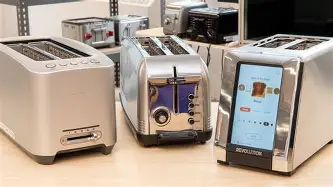
For the consumer who values the tactile feel of a solid lever and the predictable result of a well-calibrated dial, this toaster is an excellent choice. It bridges the gap between the flimsy $20 supermarket specials and the overpriced $300 "designer" units. While the lack of a dedicated bagel setting and the heat retention on the outer walls are valid criticisms, they are balanced by the unit's superior toasting evenness and its likely decade-long lifespan. If you are looking for a reliable, attractive, and functional centerpiece for your morning routine, the Classics 2 Slice Toaster earns its place on the countertop through consistent performance rather than flashy gimmicks.
In summary, the decision to purchase the Classics 2 Slice Toaster should be based on a preference for longevity and simplicity. It is an appliance designed for those who believe that the best way to start the day is with a perfectly browned slice of toast, rendered exactly the same way every morning. By understanding the nuances of its heating cycles and the quality of its construction, you can move forward with a purchase that is both practical and enduring.